Climate Resilience
Anticipatory action, ward climate-change governance, disaster risk reduction and natural-resource management across the drylands.
49
Projects
4
Counties
275,952
People reached
2
Active now
Projects by county
Projects by status
Projects in Climate Resilience
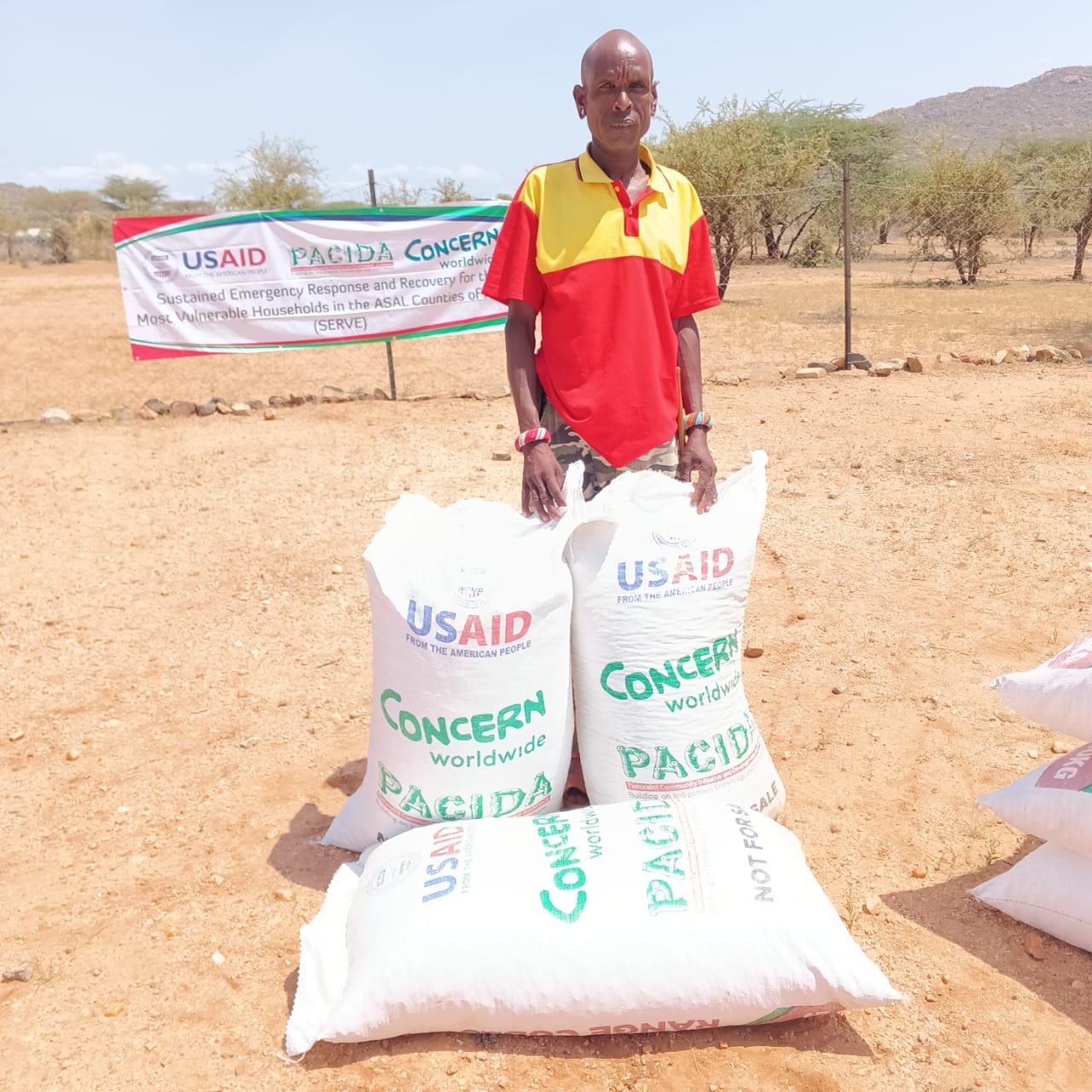
Sustained Emergency Response and Recovery for the most Vulnerable Households in the ASAL Counties (SERVE)
231,240 people reached (136,210 in Marsabit) with livestock, cash & WASH support — consortium led by Concern Worldwide
Strengthening and institutionalizing Anticipatory Humanitarian Actions, ensuring better coordinated preparedness and effective humanitarian responses in Isiolo County
A CBM-funded anticipatory humanitarian action project strengthening Isiolo County's capacity to move from reactive to early, trigger-based disaster response. Isiolo's pastoral and agro-pastoral communities face recurrent drought and flood shocks; the project links early-warning forecasts to pre-agreed triggers, financing and locally appropriate early actions, with a disability-inclusion focus.
Emergency Response Program Including Cash Transfers and Improving Humanitarian Response Capacity in Crisis Hit Countries in Sub Saharan Africa PN: 1400-10-KE2
5,100 people reached (1,400 male, 3,700 female) with food aid, school feeding and water trucking, Moyale/Dire Woredas
Emergency relief and anticipatory humanitarian action for victims of climate-related disasters in Turbi and Maikona Wards, Marsabit County Kenia - P.141-2025-003
Disaster Risk Reduction project supported by Caritas Germany.
Activation of anticipatory actions for drought hazard in Maikona and Kargi wards in Marsabit County. PN KEN 1300-25 WAHAFA FUEL, Kenya
Disaster Risk Reduction project supported by Welthungerhilfe.
Drought emergency Response for Vulnerable Communities in North Horr Ward, Marsabit County
Disaster Risk Reduction project supported by CBM.
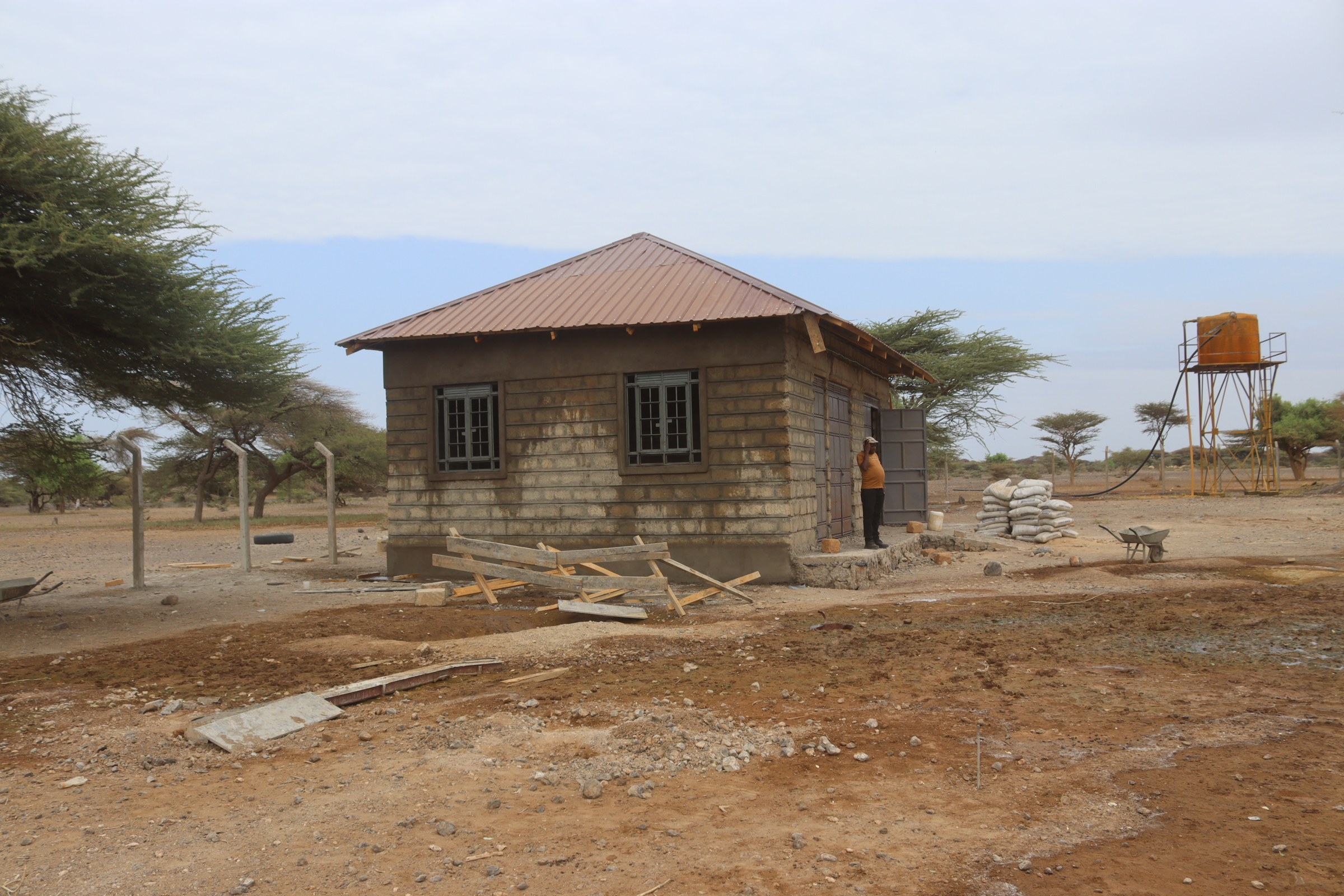
Enhancing Opportunities for Women while Reducing the Impacts of Climate Change in Marsabit County – Kenya (EOW)
A Caritas Austria-funded project (Enhancing Opportunities for Women, EOW) addressing water access in El Boru Magadho village, North Horr Sub-County. After a 2021 borehole yielded water too mineralised for human consumption, the project funded a solar-powered reverse-osmosis desalination plant and associated infrastructure — including a 60m³ elevated steel storage tank on a 15m tower — to purify the water to WHO standards.
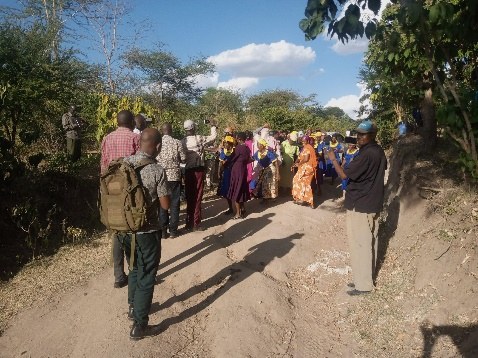
Strengthening Adaptation and resilience to climate change in Marsabit
A Hivos-funded 'Voices for Just Climate Action' (VCA) project supporting the Marsabit County Climate Fund Act 2020 structures. PACIDA helped establish and build the capacity of climate fund management structures in 9 of the county's 10 target wards, developing ward-level climate action plans to channel county climate finance toward locally-led adaptation — achieving around 80% of planned activities in the reporting period.
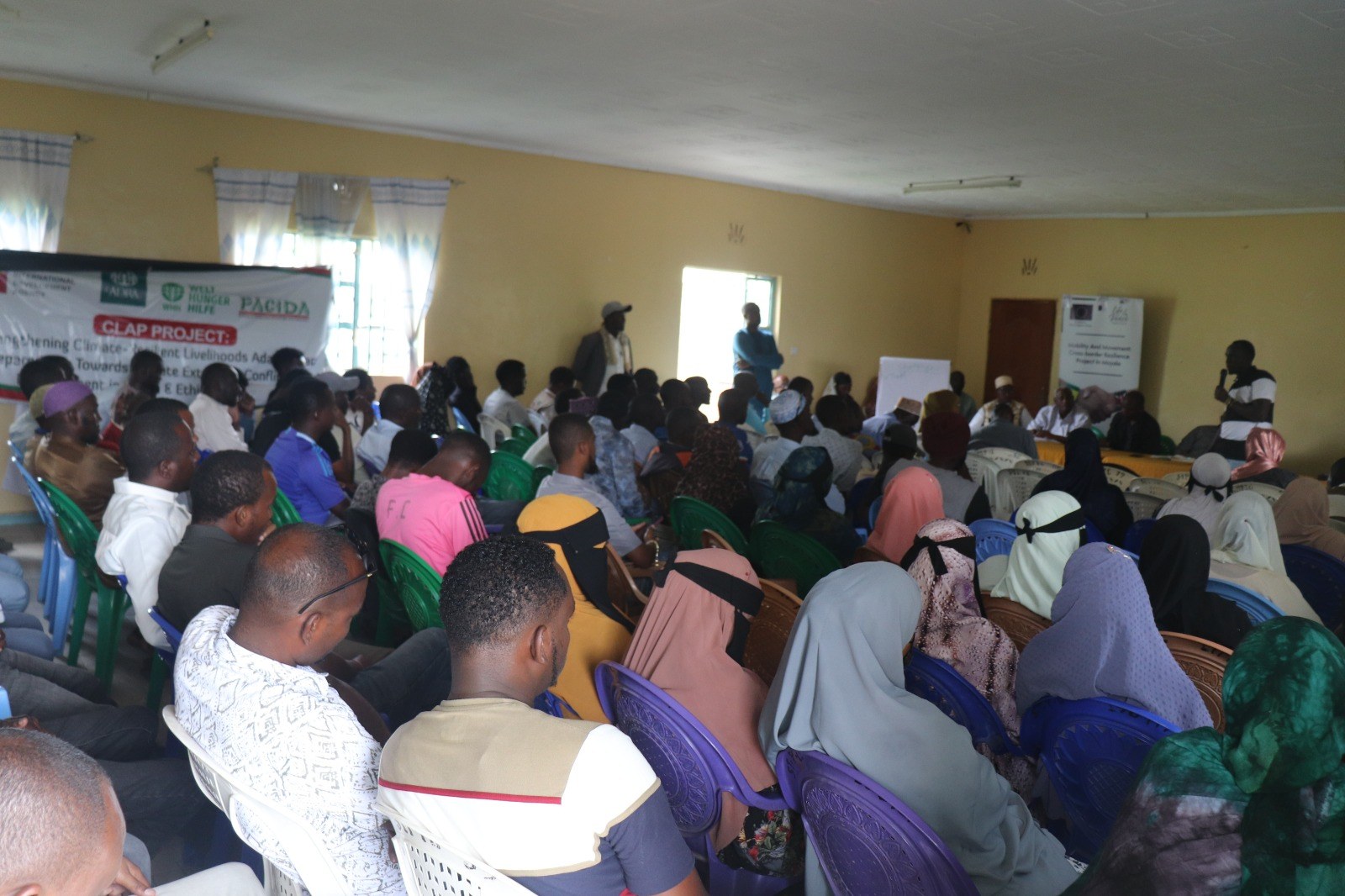
Addressing Impacts of Climate & Displacement and Promotion of Preparedness and Early Action in Kenya (KEN 1269-24)
A cross-border climate and displacement response (CLAP) implemented by PACIDA and Ethiopian partner CIFA with Welthungerhilfe funding, focused on the Borena zone — an area highly vulnerable to drought, desertification and displacement-related intercommunal conflict over scarce resources. The project prioritises livelihood recovery and diversification, adapting its 2024 implementation to a sharp rise in living costs following Ethiopia's currency devaluation and related administrative reforms.
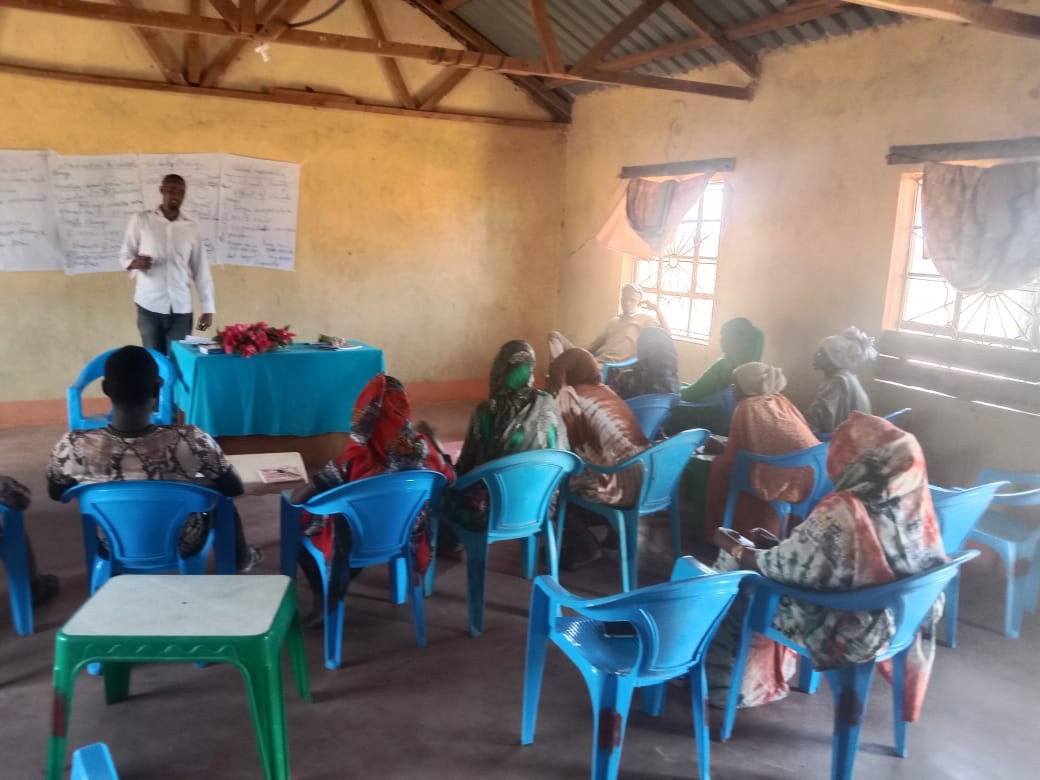
Strengthening climate change adaptation through improved resillience approaches in Kenya and Southern Ethiopia
A disaster-risk-reduction project funded by Aktion Deutschland Hilft (ADH) via Malteser International, covering Maikona, Kalacha, Hurri Hills, Forole and Illeret (North Horr Sub-County, Kenya) and Mega (Ethiopia). Between January and March 2024, PACIDA trained 75 Community Health Promoters (15 per site) on climate-related health risks, disaster risk management, early-warning systems and emergency response, with particular attention to the disproportionate health risks climate change poses to women and children.
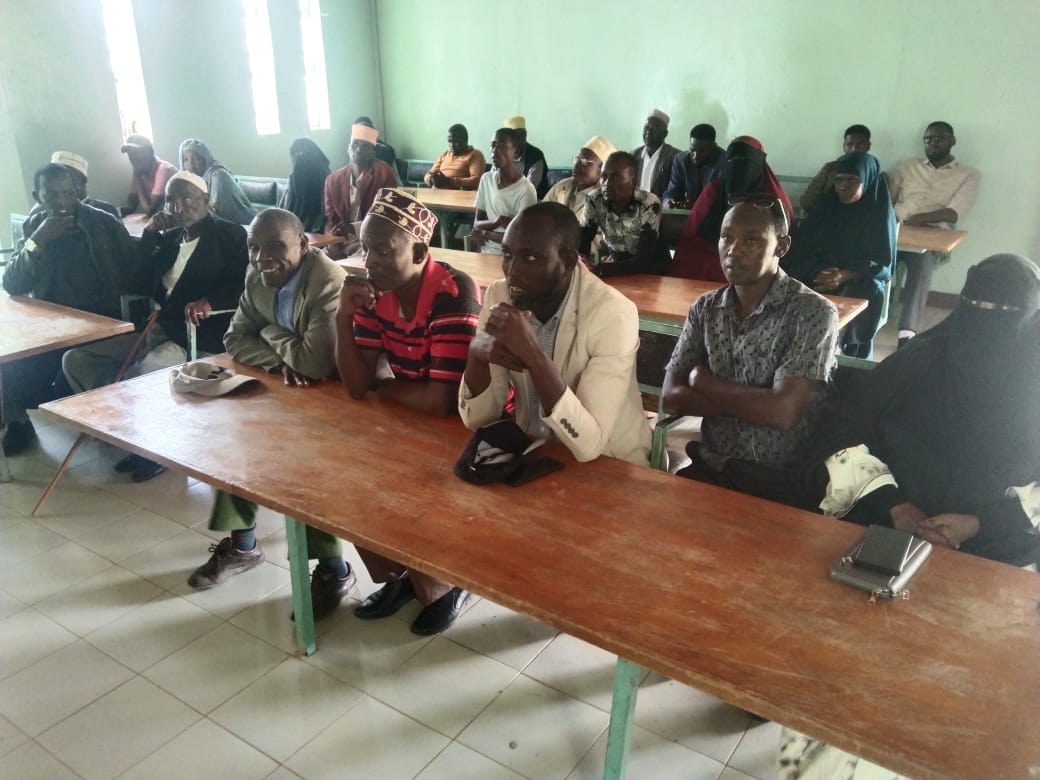
Policy Dialogue
The fourth phase of PACIDA's Policy Dialogue Small Action Fund (SAF) project, funded via Caritas Austria/HORIZONT3000 and the Austrian Development Agency. Between January and June 2024, PACIDA continued supporting Marsabit County's Climate Change Fund (CCCF) management structures and Ward Climate Change Planning Committees (WCCPCs) to practise locally-led climate adaptation and access Financing Locally Led Climate Action (FLLoCA) resources.
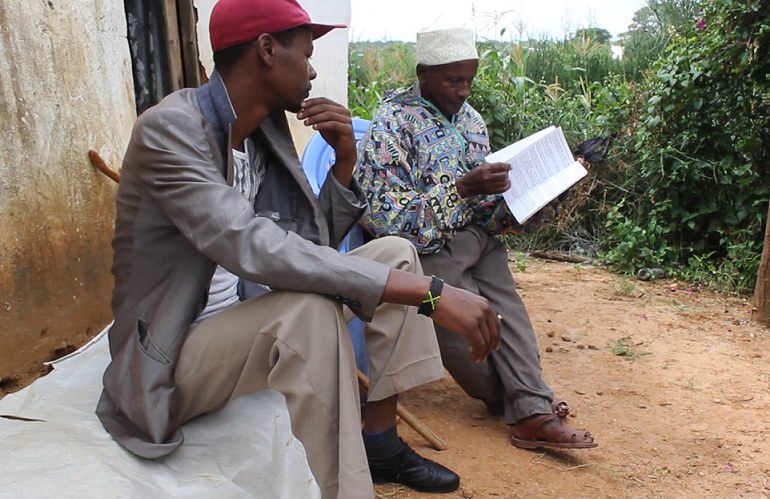
Policy Dialogue
A Caritas Austria-funded policy-dialogue project supporting PACIDA's engagement on Marsabit County's Climate Change Policy. PACIDA compiled and disseminated analysis of the county's climate trends — including rising seasonal temperatures and declining rainfall since 1980 — to inform stakeholder engagement on county climate policy, in a county that is 95% arid/semi-arid and home to Kenya's only desert, Chalbi.
Stories
- PACIDA named Best NGO in Climate Change at the 2024 NGO Awards